


Brick & Stone Repairs in St. Louis
Repair the damage. Keep the character.
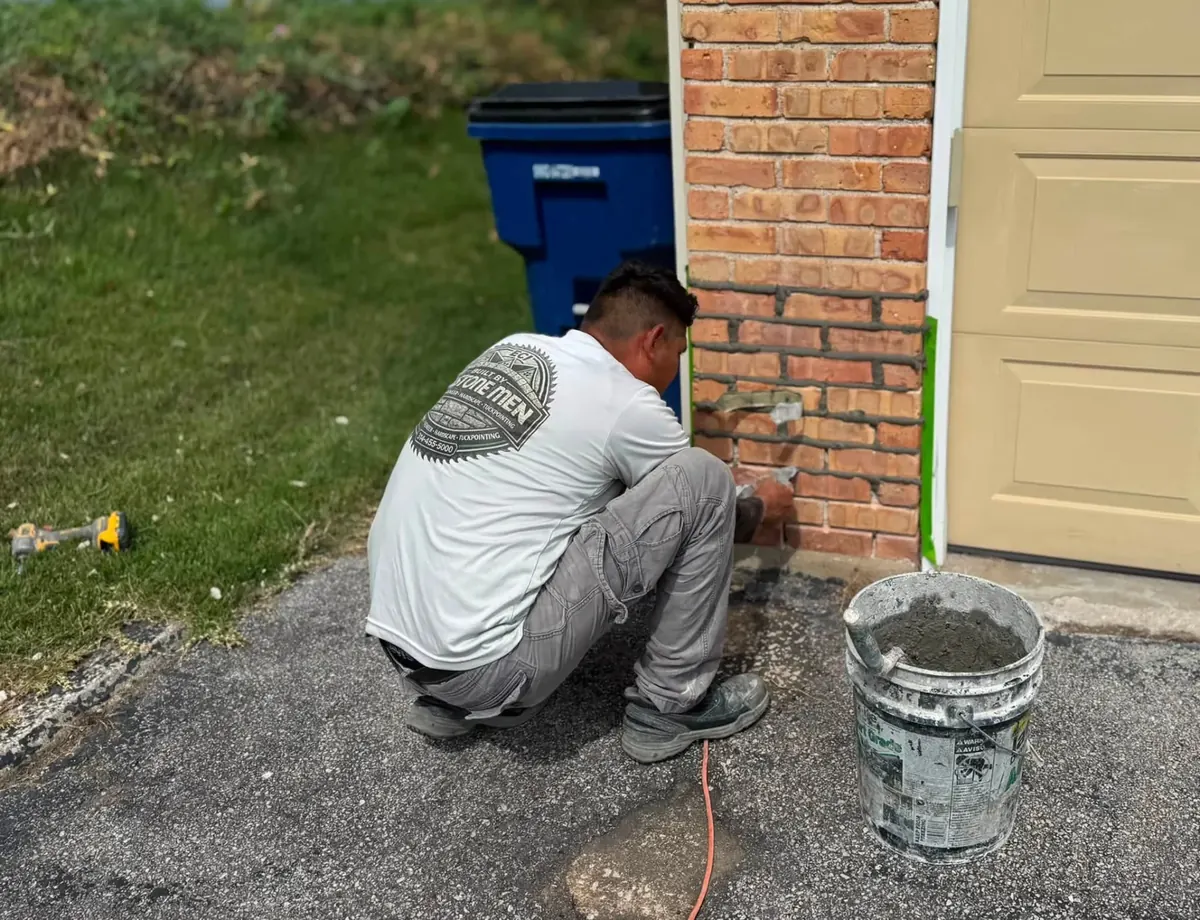
Spalled brick, cracks, and damaged sections replaced and blended into the surrounding masonry. ECI helps determine the right repair for the condition of the wall.
A Clear Scope. The Right Repair.
We look at the damaged area and surrounding masonry, discuss possible causes, and recommend a defined repair. Material matching is reviewed with you; existing brick and stone can vary in age, finish, and availability.
ECI Missouri is locally owned and operated, with second-generation family leadership. Established in 1994 as a roofing company, ECI now brings roofing, masonry, and exterior services together — not private equity owned and not franchised.
When to call ECI
- Flaking or spalled brick faces
- Cracked or damaged wall sections
- Loose stone and deteriorated joints
Masonry services for St. Louis City and County. Call 314-996-9486 to confirm your address and project needs.
What to Know About Brick & Stone Repairs
Common types of deterioration
Spalling (the brick face flaking off), cracks, displaced brick, and loose stone each have different causes, including trapped moisture, freeze-thaw, settlement, and past repairs made with incompatible materials. Not every crack means the same thing, so we look at the pattern before recommending work.
Localized replacement
Damaged brick and stone can often be removed and replaced individually, then repointed, without disturbing the sound masonry around them.
Matching existing masonry
Brick varies by age, size, color, and texture. We source the closest available match or salvage units where practical, and review samples with you.
When to get structural review
Wide or growing cracks, bulging walls, or doors and windows that are starting to bind may indicate structural movement. In those cases we recommend an engineer's assessment before repair.
Repair the brick, not just the joint
Tuckpointing restores mortar joints; it does not replace a brick with a broken or flaking face. A repair may involve removing damaged units, matching replacement materials, and repointing the surrounding joints. If deterioration is linked to water entry or movement, that concern also needs assessment. ECI distinguishes the damaged masonry from the possible cause so the proposal is more useful than a generic patching allowance.
Comparing masonry repair proposals
Ask which wall sections and damaged units are included, how replacement materials are selected, what preparation is planned, and whether access equipment or related flashing work is part of the scope. The amount of removal, wall height, material availability, and need for structural review affect the price. ECI outlines materials and preparation, protection and cleanup, and project terms in a written proposal; exact scope and pricing follow the evaluation.
Common Questions
Is a cracked brick wall dangerous?
Many hairline cracks are cosmetic, but stair-step cracks, wide cracks, or cracks that keep growing should be evaluated. We'll tell you when an engineer should look at it.
Why is my brick flaking?
Flaking or spalling usually comes from moisture in the brick freezing, sometimes made worse by hard mortar or sealers that trap water.
Can you replace just the damaged bricks?
Often a localized repair is possible where surrounding masonry and support remain sound. Widespread damage or movement may need a broader scope. The evaluation determines which approach fits the wall.
Will repairing cracks stop water entry?
It may address one entry point, but cracks can be related to movement and leaks can also involve roof flashing, gutters, or other transitions. ECI reviews the visible conditions and discusses related repairs without promising that a surface patch fixes every cause.
How much does brick repair cost?
The number and location of damaged units, wall height, access, matching materials, preparation, and any structural or related exterior work determine the scope. Request an evaluation for a written proposal specific to your property.
Related masonry services
Safety on Every Job
Dust Control & Protective Gear
Cutting and grinding brick or stone creates dust, so our masons use dust control measures and appropriate protective gear, and protect nearby surfaces and landscaping while they work.